Exploring Myra: Ancient Ruins and the Legacy of St. Nicholas
Tucked along Turkey’s stunning Mediterranean coast, Myra is a hidden gem for history lovers, culture enthusiasts, and travellers seeking something beyond typical beach destinations. Known for its dramatic rock-cut tombs, ancient Roman theatre, and connections to the story of St. Nicholas (the historical Santa Claus), Myra invites you to journey back to a time when Lycia was a flourishing centre of culture and trade. Here’s why a visit to Myra should be on your itinerary and what you can expect from this unforgettable experience.
A Glimpse into the Past: The Historical Significance of Myra
Myra has been a significant settlement since at least the 5th century BCE, first as part of the Lycian League and later under Roman influence. The city was a bustling centre in ancient Lycia, one of the first federations with a democratic system. Over time, Myra’s importance only grew, attracting a blend of Lycian, Greek, and Roman cultural influences that shaped its architecture and way of life.
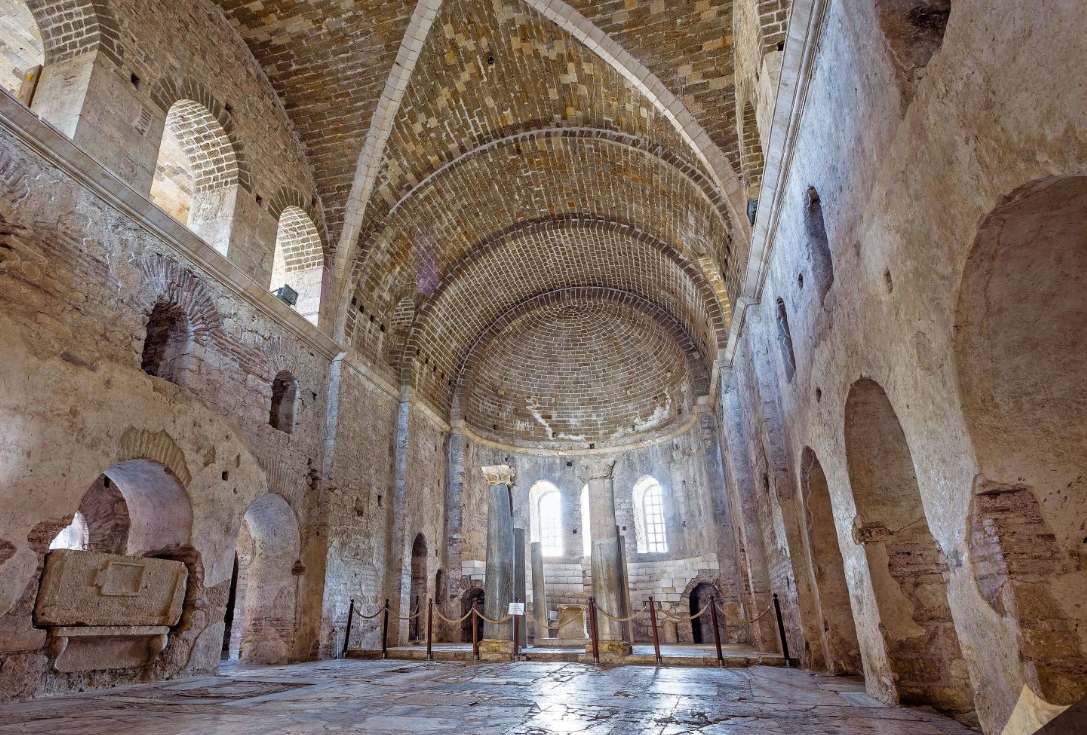
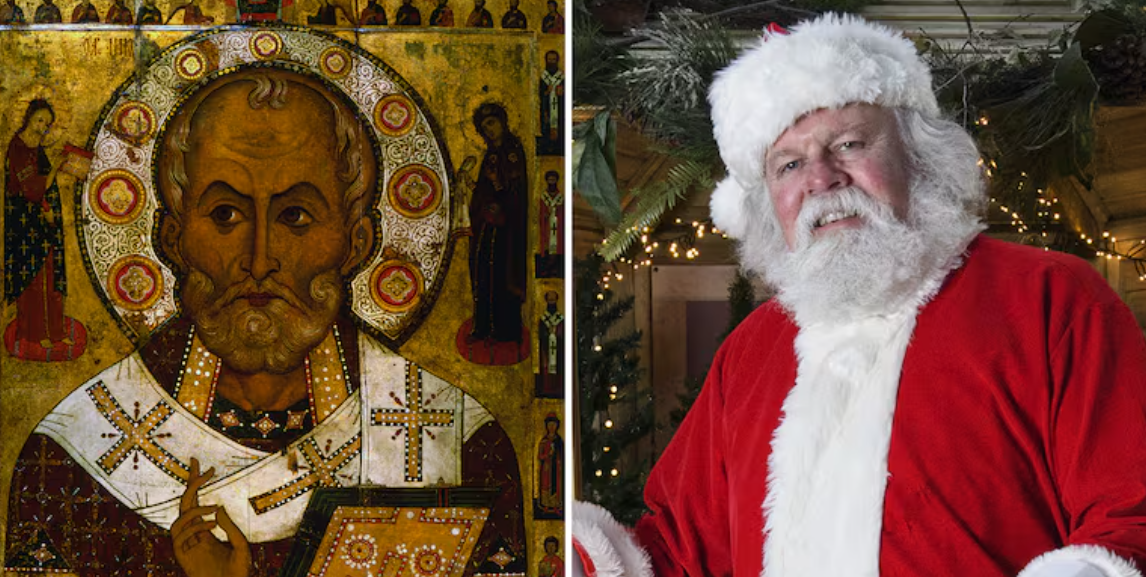
One of Myra’s most famous residents was St. Nicholas, the 4th-century Christian bishop known for his kindness and generosity. He became the inspiration behind Santa Claus, and his legacy lives on in nearby Demre, where a Byzantine church marks his burial place. Today, Myra attracts visitors from around the world who come to admire its ancient ruins and learn about the real-life story of St. Nicholas.
What to See in Myra
When you arrive in Myra, you’ll quickly see why it’s considered one of the region’s most spectacular ancient sites. Here are some of the top attractions to explore:
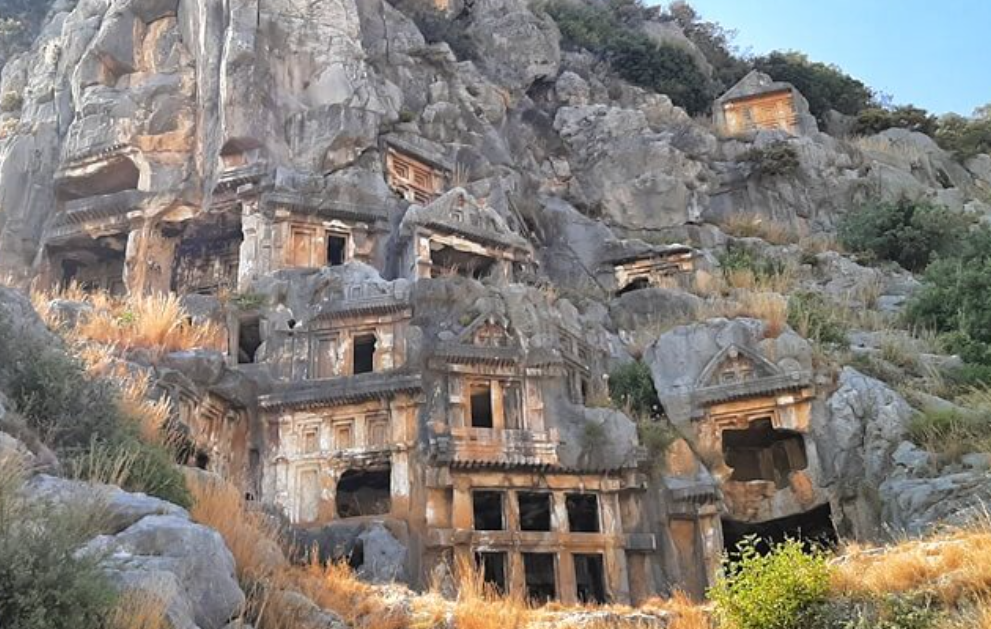
- Lycian Rock-Cut Tombs: Towering above the city are the striking rock-cut tombs that once held Lycian nobility. These intricately carved tombs are a remarkable display of ancient craftsmanship, with facades designed to resemble wooden structures. Believed to bring the dead closer to the gods, these tombs are among the most iconic images of ancient Lycia.
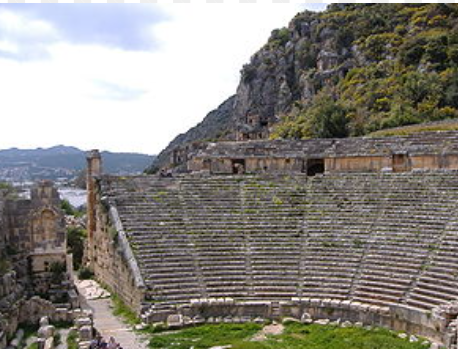
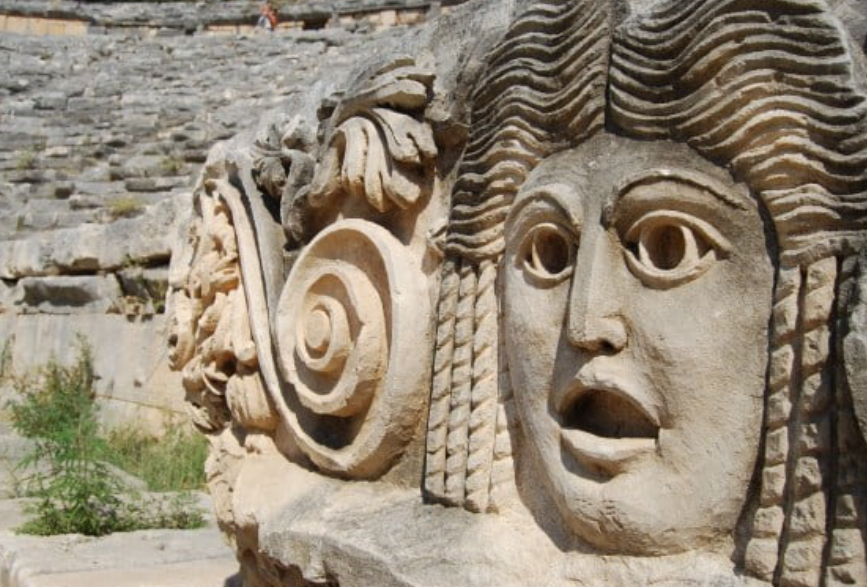
- Roman Theatre: Myra’s grand theatre is one of the largest in the Lycian region, with seating for around 10,000 people. Incredibly well-preserved, this theatre is an excellent example of Roman engineering and boasts stunning acoustics. Standing in this ancient space, it’s easy to imagine the lively events and performances that took place here centuries ago.
- Roman Bathhouse: A fascinating look at everyday life in Roman times, the ruins of Myra’s Roman bathhouse give insight into ancient customs and social gatherings. The bathhouse was a place for relaxation, and exploring it today reveals much about Myra’s well-developed infrastructure.

Nearby Sights: Demre and Andriake
While you’re in the area, be sure to visit a few other nearby spots that add depth to your Myra experience:
- Church of St. Nicholas: Located in nearby Demre, this Byzantine church is dedicated to Myra’s most famous resident, St. Nicholas. Inside, you’ll find mosaics and frescoes that depict scenes from his life, as well as his tomb. As a site of pilgrimage, the church attracts visitors from around the world, especially those interested in Christian history.
- Andriake Harbor and Museum of Lycian Civilizations: Just a few kilo meters from Myra lies the ancient port of Andriake, Myra’s connection to the sea. Today, Andriake houses the Museum of Lycian Civilizations, where you can see artifacts, coins, and statues from ancient Lycia, providing a fuller picture of the region’s rich history.

Activities and Adventures Around Myra
If you’re looking for a bit of adventure, the natural beauty surrounding Myra is perfect for outdoor activities:
- River Boat Tours: Take a scenic boat tour along the Demre River, offering fantastic views of the rock-cut tombs from below. This serene experience allows you to take in the beauty of the tombs and surrounding nature from a unique perspective.
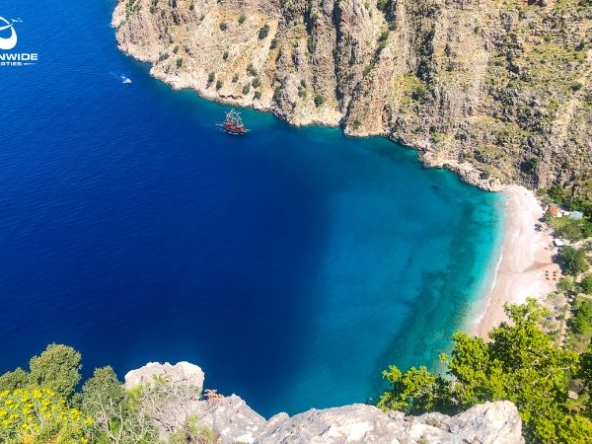
- The Lycian Way: Myra is located along the Lycian Way, Turkey’s famous long-distance hiking trail that follows the rugged Mediterranean coastline. Whether you’re a serious hiker or just want a short walk, you can explore sections of this trail for some incredible views of the turquoise coast.

Tips for Visiting Myra
Planning to visit Myra? Here are a few tips to make your trip seamless and enjoyable:
- Entry Fees: There’s a small fee to enter both the ancient city of Myra and the Church of St. Nicholas, which goes toward preserving these historic sites.
- Best Time to Visit: Spring (April-May) and fall (September-October) offer the most comfortable weather for exploring, with warm temperatures but without the peak summer crowds. Summers can be hot, but if you’re there for the beach as well, it’s still a great time to visit.
- Location and Accessibility: Myra is located about two hours from Antalya, making it accessible for a day trip if you’re staying along Turkey’s Mediterranean coast. Many tour operators offer trips to Myra, or you can rent a car for more flexibility.
Why You Should Visit Myra
Myra is more than just an ancient city; it’s a place where history, culture, and natural beauty come together. From the breathtaking rock-cut tombs that soar above the city to the peaceful Church of St. Nicholas in Demre, Myra offers a unique blend of adventure and spirituality. If you’re traveling along Turkey’s Mediterranean coast, don’t miss the chance to step into Myra’s ancient world and uncover the secrets of Lycia.