
Olu Deniz and Beyond
Turkey’s turquoise coast — from Fethiye and Göcek down through Ölüdeniz and beyond — has long been a magnet for holidaymakers and property buyers. Recent regulatory shifts and an intensified focus on tourism and coastal planning mean the shoreline property market is entering a new phase. This post explains what changed, what it means for buyers, sellers and developers, and practical steps for anyone thinking about coastal property in Türkiye.
What’s changed (the headlines)
-
New regulations are loosening limits on tourism development on some coastal strips, prompting strong reactions from environmental groups and legal challenges. This could open coastal land to more development than has been permitted in recent decades.
-
At the same time, Turkey’s tourism economy is booming (record visitor and revenue figures in recent years), increasing demand for short-let and investment properties in coastal hotspots.
-
The Turkish government’s medium-term planning and development strategy (2024–2028) signals priority support for tourism and infrastructure, which can accelerate coastal investment and related construction projects.
These three forces — regulatory change, stronger tourism demand, and clearer government development priorities — are the drivers that will reshape shoreline property economics over the coming years.
How the changes will affect different market players
For investors & buy-to-let owners
-
Higher potential upside: Easier permitting or re-zoning of coastal areas may increase supply of tourist-facing accommodation and marinas, boosting short-term rental returns in active seasons.
-
Increased competition: New developments typically mean more inventory. Early acquisitions of rare “legacy” beachfront parcels (those with existing frontage or private access) may retain a premium.
-
Regulatory risk: Changes are contested — environmental groups and courts may slow or reverse some measures. Investors must plan for legal and reputational risk.
For developers & builders
-
Faster project pipelines where permitted: Pro-development policies and infrastructure investment can shorten time to market for holiday complexes and marinas in prioritized zones. The Twelfth Development Plan
-
Rising compliance obligations: New spatial planning, environmental assessment, and construction standards (including integrated coastal zone management approaches) require robust environmental and planning studies before breaking ground.
For local communities & conservationists
-
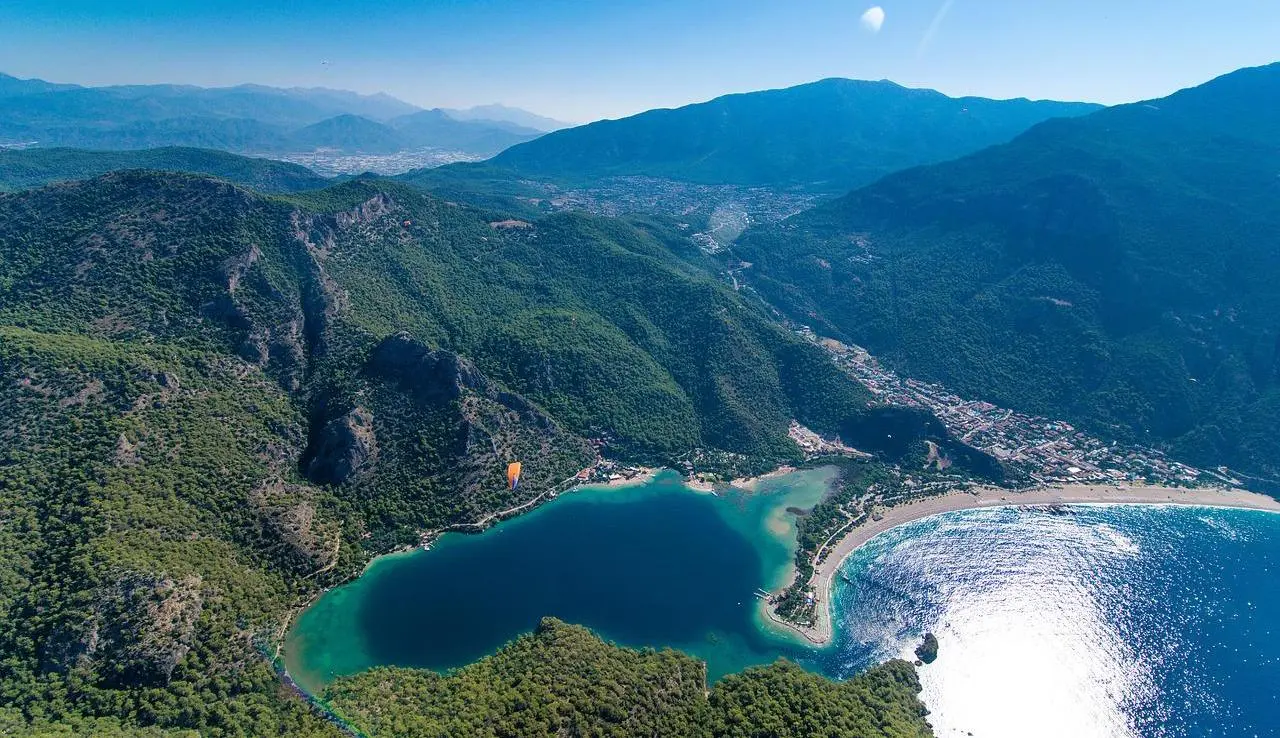
Tension between preservation and growth: Easier development can mean jobs and better amenities — but also more crowding, habitat loss, and pressure on water/solid-waste systems. Expect stronger activism and potential legal challenges, especially around protected coves and national-park areas.
What buyers and foreign investors must watch closely
-
Title & shore edge definitions — Some legal changes allow authorities to re-draw shore edge lines or reclassify treasury land for tourism. That affects literal building lines and access rights. Confirm the current legal shore edge on title documents and municipal plans.
-
Zoning and local masterplans — Even if national rules loosen, local plans (and protected-area designations) determine what can be built. Ask for the municipality’s zoning map and any pending plan changes.
-
Environmental permits & EIA requirements — New developments often need environmental impact assessments; where marine protected areas are involved this can be decisive. Work with local environmental consultants.
-
Access & servitudes — Public access to beaches is constitutionally protected in many cases; check whether access can be fenced or privatized. Litigation is active in this area.
-
Political and litigation risk — Regulatory reversals and court actions are possible. Build contingency plans (longer timelines, exit strategies).
Practical tips for agents, buyers and developers
-
Do deeper due diligence: beyond title searches, commission up-to-date shore-edge surveys and municipal plan lookups.
-
Model scenarios: run cashflow forecasts for multiple outcomes — conservative (stricter protection), baseline (current rules), and optimistic (development opens up).
-
Prioritise resilience: coastal properties face erosion and storm risk. Buyers should ask about seawalls, insurance availability, and long-term maintenance.
-
Emphasise responsible development: projects that incorporate environmental mitigation, sustainable water management, and community benefits will face fewer hurdles and often enjoy better market acceptance.
-
Work with experienced local counsel: a Turkish property lawyer who knows coastal law, treasury land issues, and recent circulars is essential.
Opportunity map: where value is most likely to shift
-
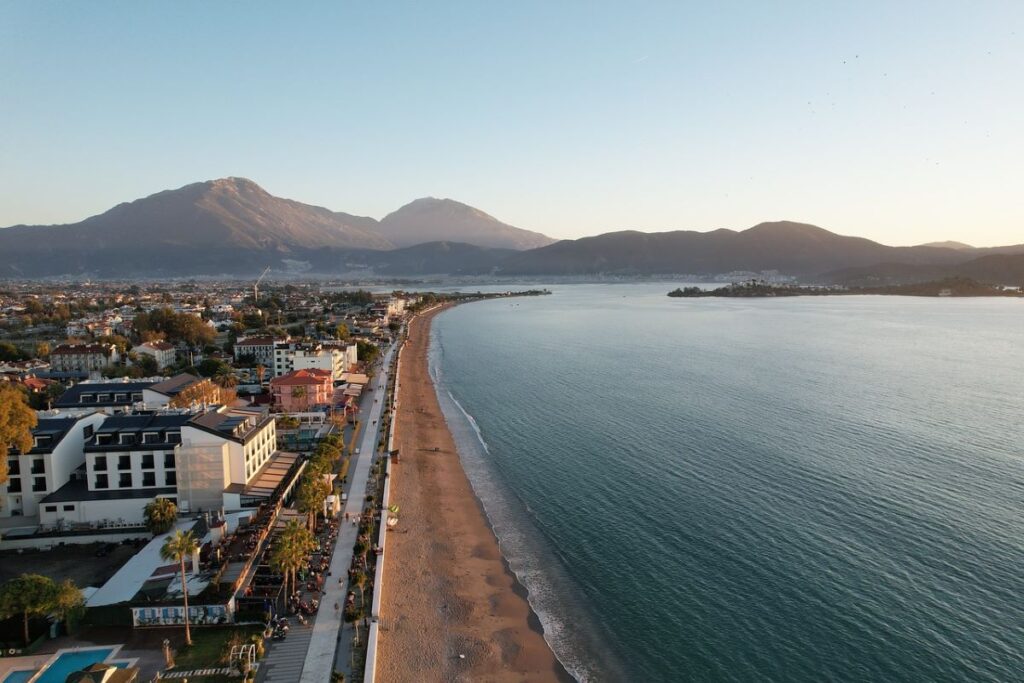
Premium for existing beachfront: truly rare front-row plots likely keep value even if more development occurs behind them.
-
Growth corridors: towns near upgraded transport nodes (e.g., proximity to Dalaman airport and new road links) can see the fastest rental and resale growth.
-
Marina-adjacent properties: rising yacht tourism and marina investment make berths and marina-front apartments attractive, especially in places like Göcek.
A balanced risk checklist before you buy
-
Confirm legal title and shore-edge mapping.
-
Obtain recent municipal zoning and any pending plan changes.
-
Check environmental protection status and EIA needs.
-
Factor in insurance cost and flood/erosion risk.
-
Speak to neighbours / local community groups to understand social context and possible disputes.
Bottom line
Regulatory shifts that ease coastal tourism development in Türkiye create real opportunity — more inventory, new marinas and resorts, and stronger short-term rental demand. But they also bring material risk: environmental backlash, legal challenges, and over-supply in some locations. Savvy buyers and developers will pair opportunity-seeking with rigorous due diligence, local counsel, and environmental sensitivity.
Start your journey to coastal living — explore homes by the sea
