
A Blossoming Story of Culture, History, and Beauty
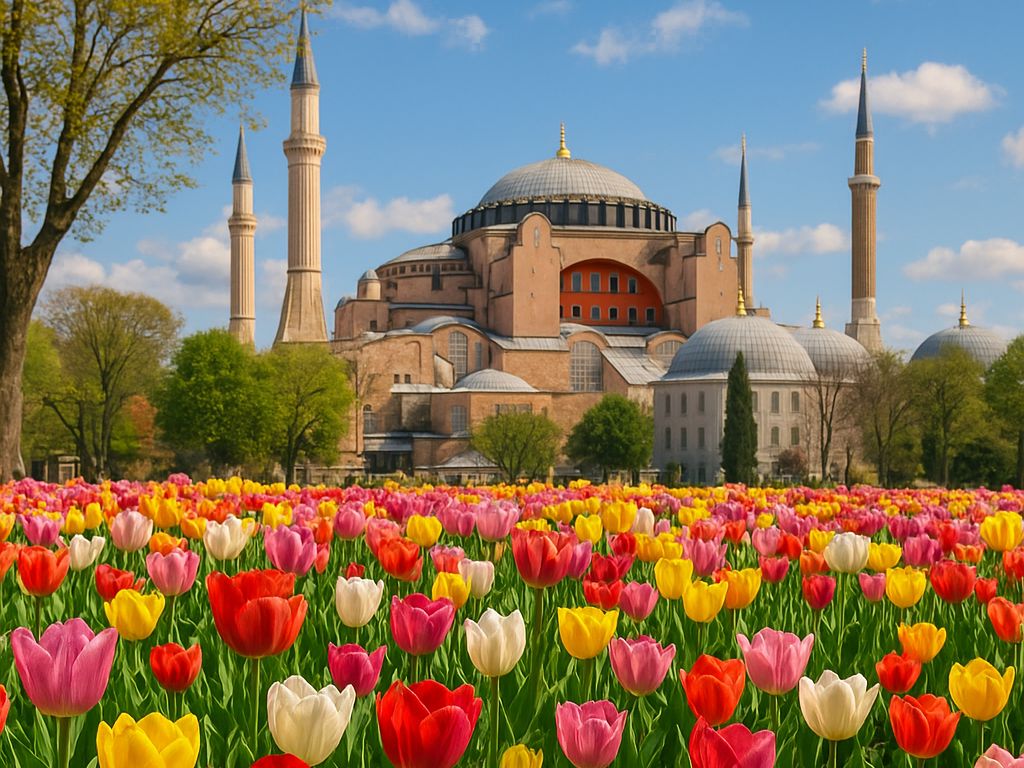
When most people think of tulips, their minds immediately go to the Netherlands — fields of vibrant blooms stretching as far as the eye can see. But what many don’t realise is that tulips are not originally Dutch at all. Their true roots lie much further east — in Türkiye and Central Asia. From imperial gardens in Istanbul to motifs in Turkish art, the tulip holds a unique place in the nation’s history, identity, and landscape.
Tulips in Ottoman History
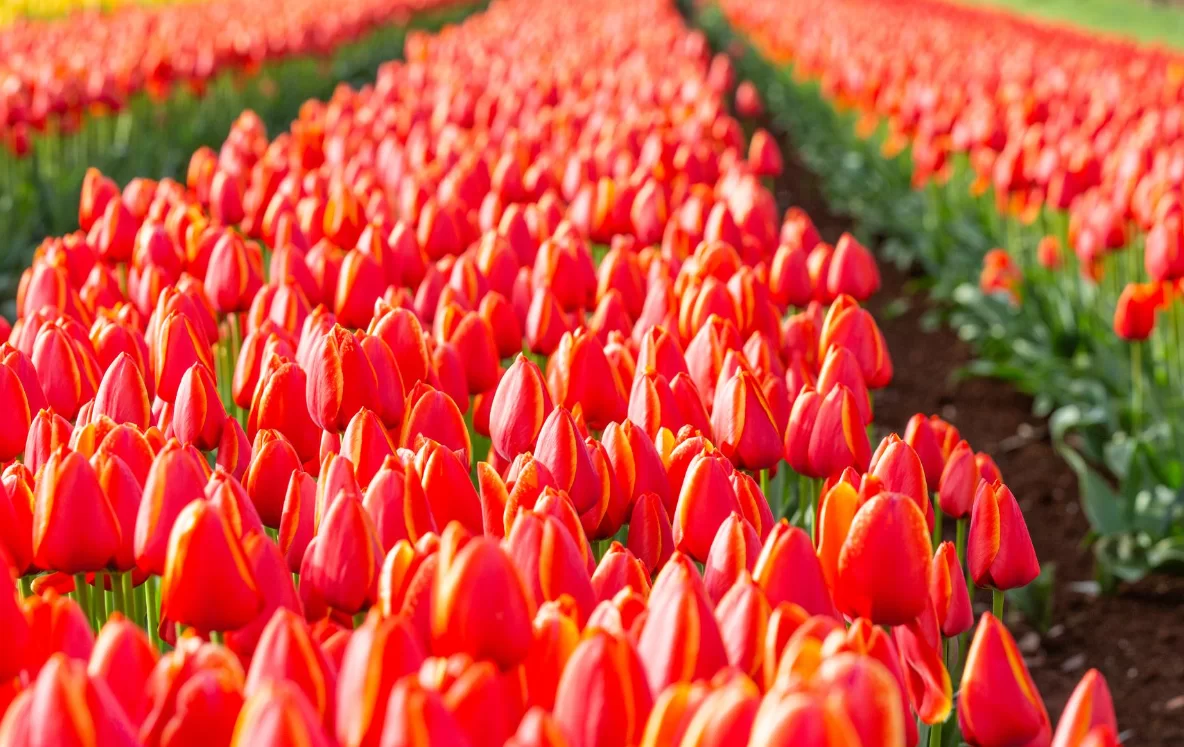
The tulip became a powerful cultural symbol during the Ottoman Empire. Records suggest that tulips were cultivated in Anatolia as early as the 11th century, and by the 16th century they had become a beloved flower of the royal court.
In fact, the early 18th century in Ottoman history is still referred to as the Tulip Era (Lale Devri) — a time of peace, prosperity, and artistic flourishing. Tulips decorated palace gardens, were featured in textiles, tiles, and calligraphy, and symbolised refinement, beauty, and the transience of life.
It was during this time that tulip bulbs were introduced to Europe, carried from Istanbul to Vienna and beyond. By the 17th century, they became the centre of “tulip mania” in the Netherlands — one of the first recorded speculative bubbles in financial history. Yet while the Dutch made them famous, Türkiye is where tulips first bloomed into cultural importance.
The Symbolism of the Tulip in Türkiye
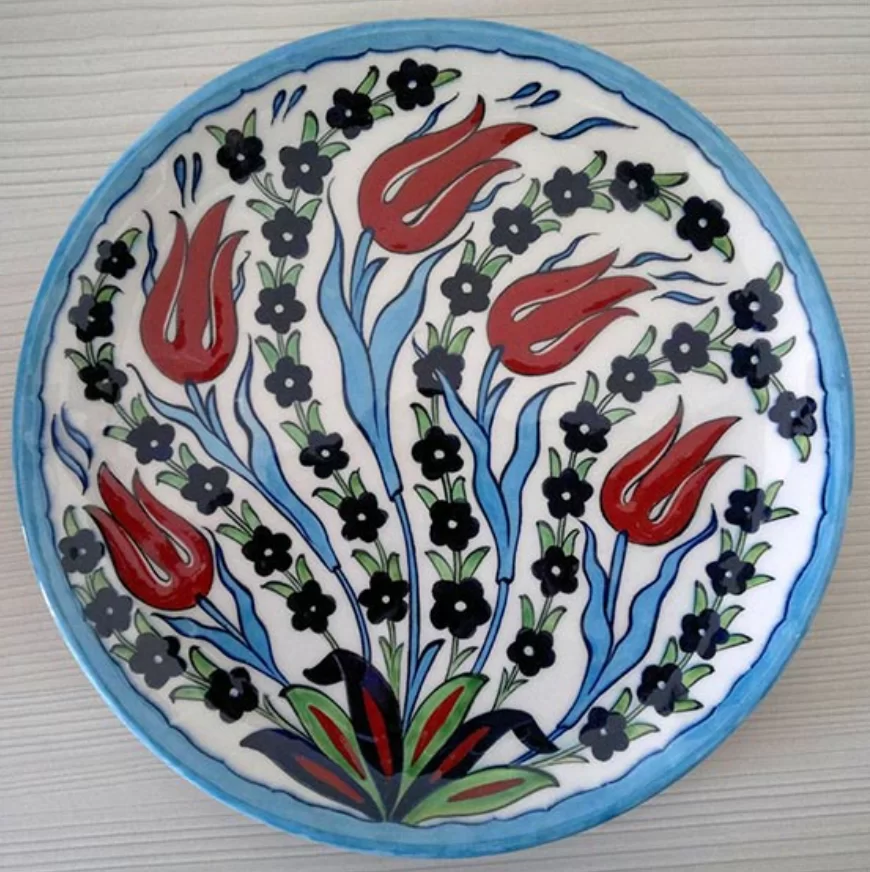
In Turkish culture, the tulip (known as lale in Turkish) is more than just a flower. Its shape and colour are tied to deep symbolism:
-
Spirituality – The word lale uses the same letters as Allah in Arabic, giving it a sacred resonance.
-
Paradise and beauty – In Ottoman poetry, tulips often symbolised paradise on earth, feminine beauty, and love.
-
Identity – The tulip remains a cultural emblem, found in traditional carpets, ceramics, and even modern Turkish branding and design.
For many, the tulip is not only a flower of elegance but also a reminder of Türkiye’s rich cultural heritage.
Modern Tulips in Türkiye
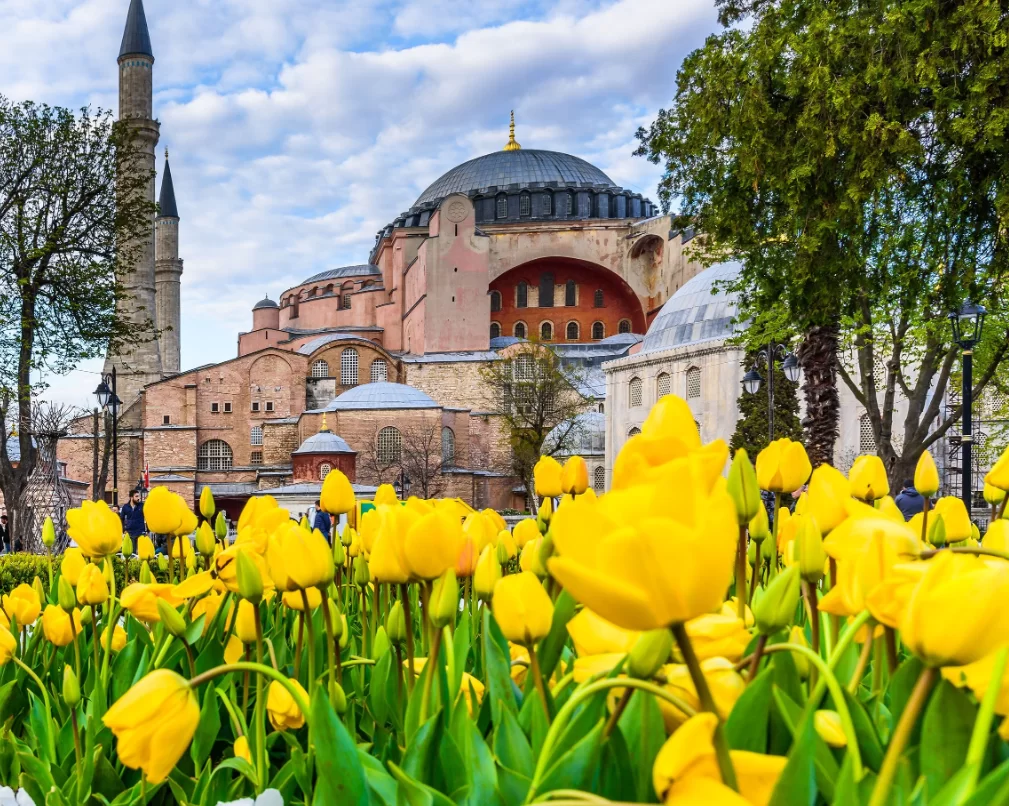
Today, tulips are still celebrated throughout the country. Every spring, Istanbul bursts into bloom with the International Tulip Festival, when more than 30 million tulips are planted in parks, avenues, and squares across the city.
One of the most famous displays is in Emirgan Park, where sweeping beds of tulips in every imaginable colour create an unforgettable spectacle. The festival is a proud reminder that tulips are part of Türkiye’s national identity and not just a Dutch export.
Visitors can stroll through tulip gardens, enjoy cultural events, and even buy rare bulbs to take home. It’s a celebration that blends natural beauty with deep-rooted history.
Tulips Beyond Istanbul
While Istanbul is the epicentre of tulip culture today, many regions in Türkiye cultivate and celebrate these flowers. From Konya’s vast tulip fields to smaller displays in Anatolian towns, tulips continue to be grown not just as ornamental flowers but also as part of the agricultural economy.
For travellers and expats in Türkiye, visiting these tulip fields offers a chance to connect with a centuries-old tradition and witness one of nature’s most colourful displays.
Why Tulips Matter Today
For Türkiye, the tulip is more than a historical curiosity — it’s a living part of national pride. Whether admired in Ottoman art, viewed in Istanbul’s springtime gardens, or recognised in cultural symbolism, tulips remain deeply intertwined with the story of the nation.
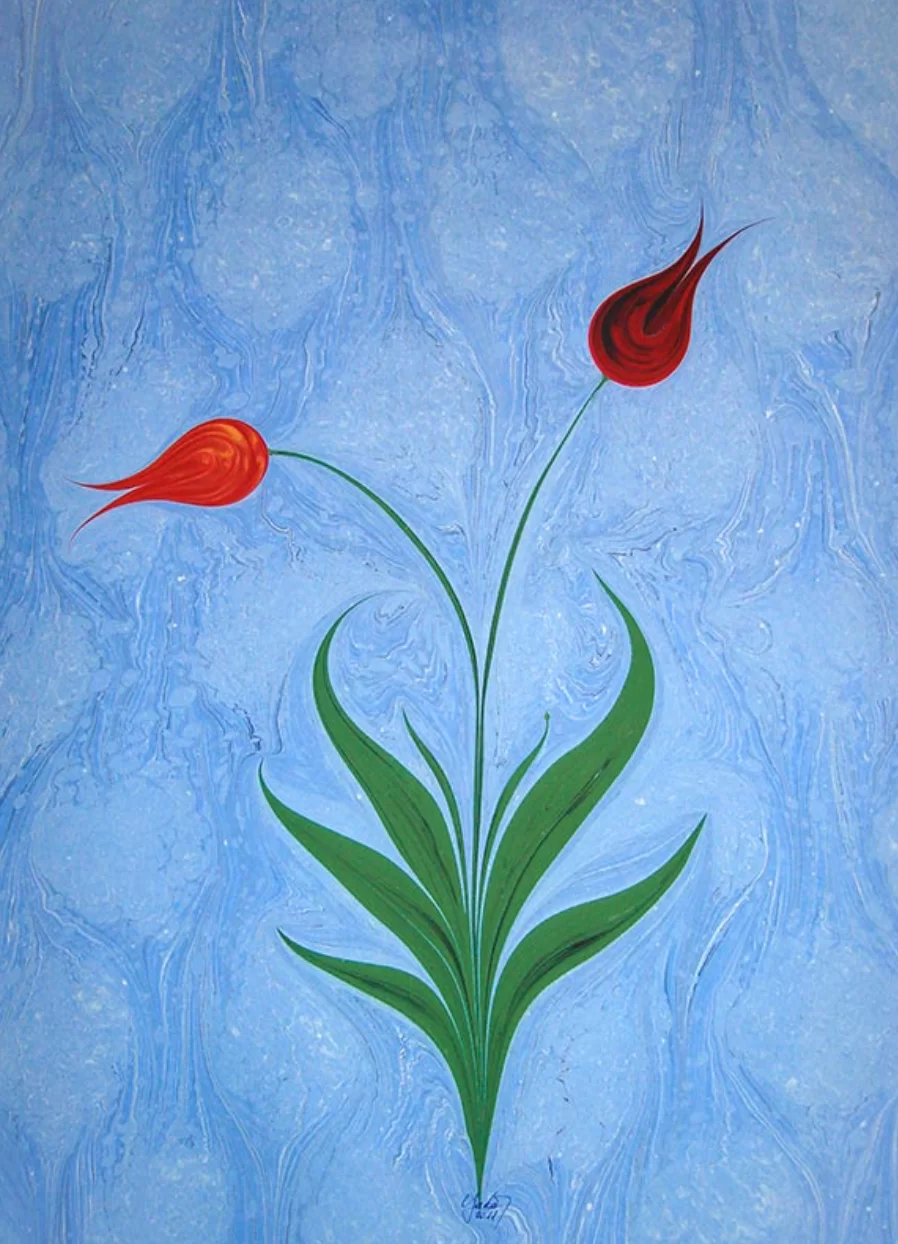
Next time you see a tulip, remember that its journey began not in Amsterdam, but here in Türkiye, where this timeless flower first captured hearts and inspired generations.
If you would like to learn more about life in Turkey then why not get in touch here at OCEANWIDE PROPERTIES.