Travelling this vast country gives you an insite to an ancient land and culture that will astound you, there is still so much to discover of Turkey. One of the most captivating sites is that of Turkey’s wild animal s, maybe you already know about the well documented turtles and dolphines but there are others less well know that are simply stunning, and add another layer of intrigue and excitement about discovering more about this special country we live in.
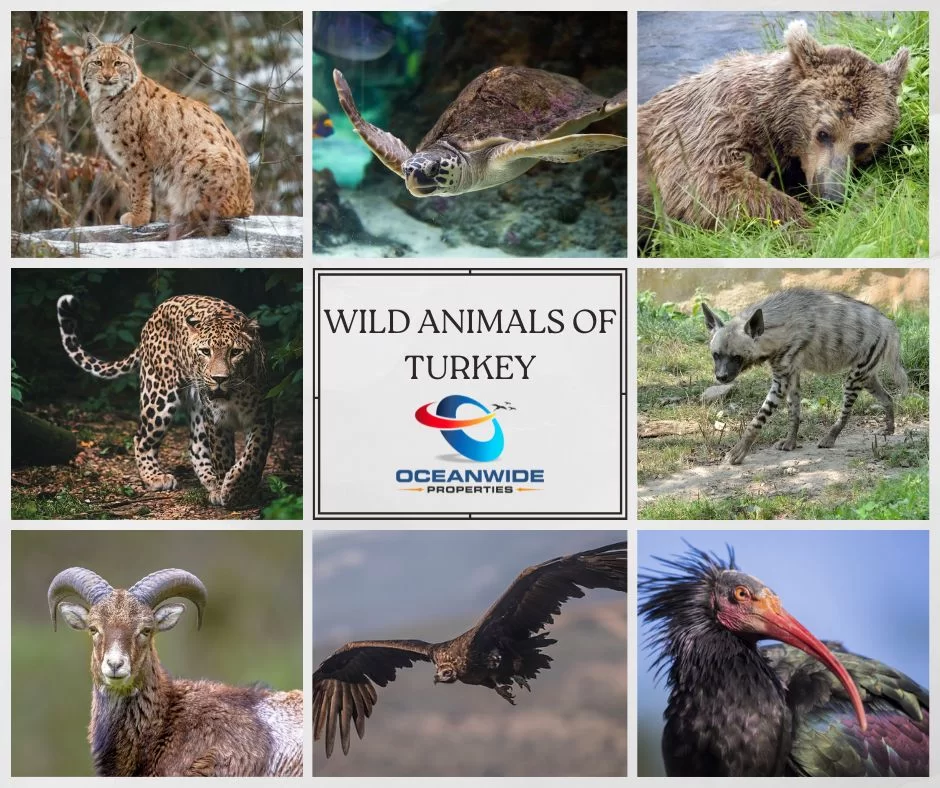
This is just a taster a brief description and a glimps at some of the wild animals we share this land (and sea) with.
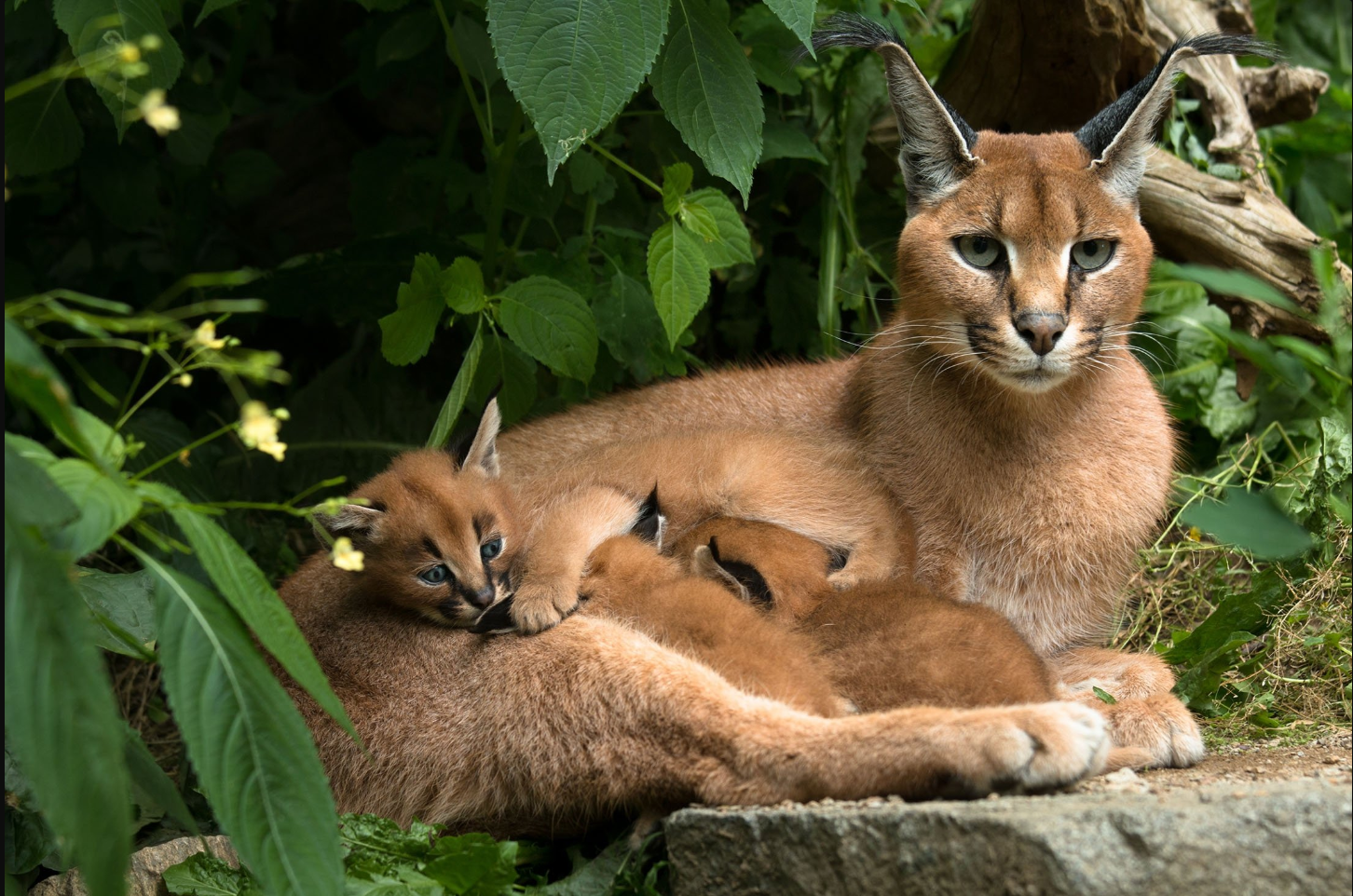
The Caracal
The caracal is an endangered, medium-sized wild cat found in the Middle East, Africa, and Central Asia. This beautiful wild animal was recently spotted in the Anatolian province of Elazığ.
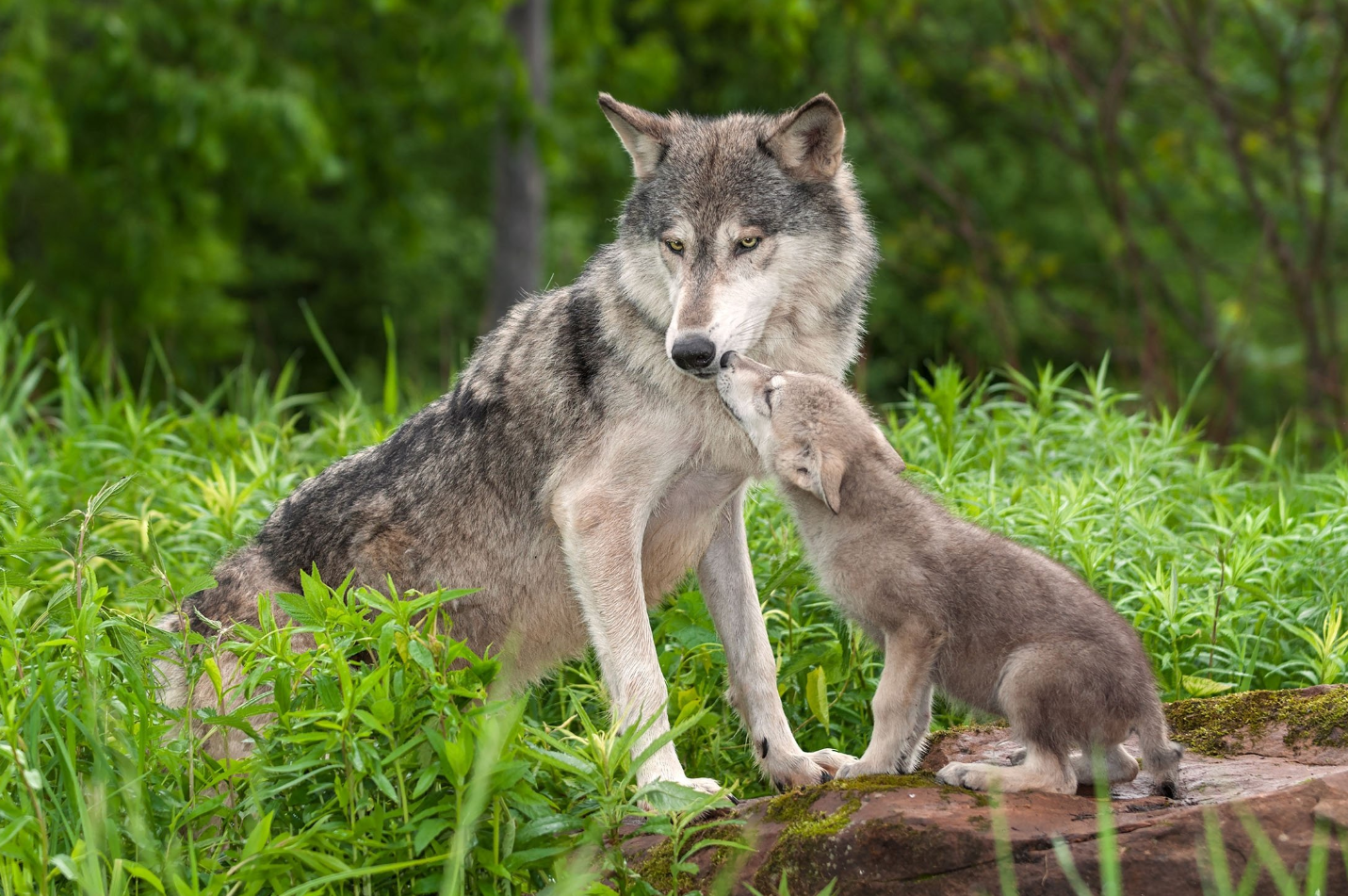
The Grey Wolf
The gray wolf is Turkey’s national animal and is the second most important carnivore in the country, following the Eurasian brown bear. Unfortunately, due to excessive hunting, the gray wolf population has declined over the years. In the wild, these animals can live up to eight years, while in captivity, they may live up to 15 years.
Dolphins
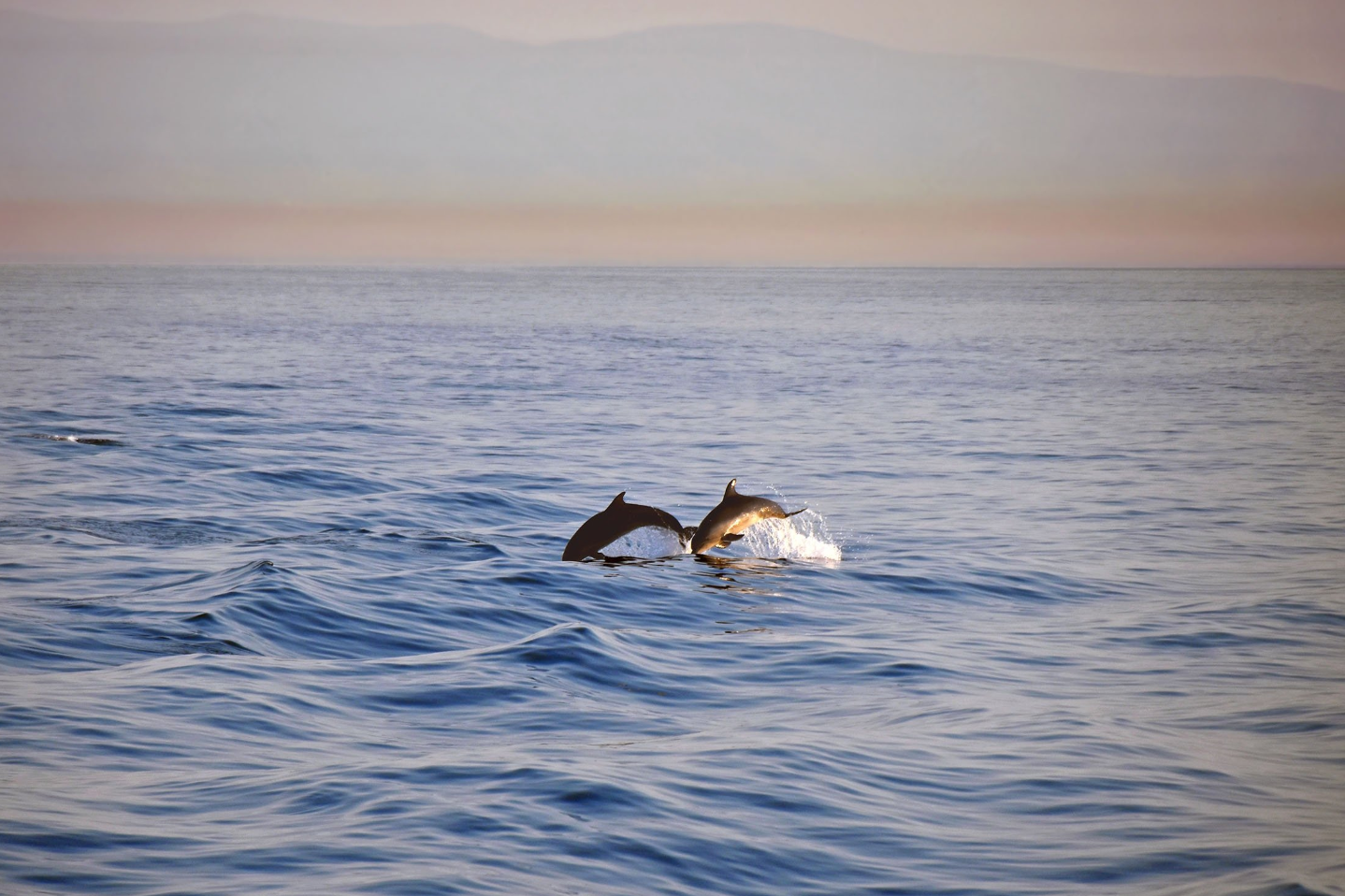
Several Dolphins species can be spotted throughout the seas around Turkey, and some tourist destinations offer opportunities to swim with them, conservationist discourage this as it is not to the benefit of the animal. During the pandemic, larger numbers of dolphins returned to the waters of Turkey’s most populous city, Istanbul.
Fallow Deer
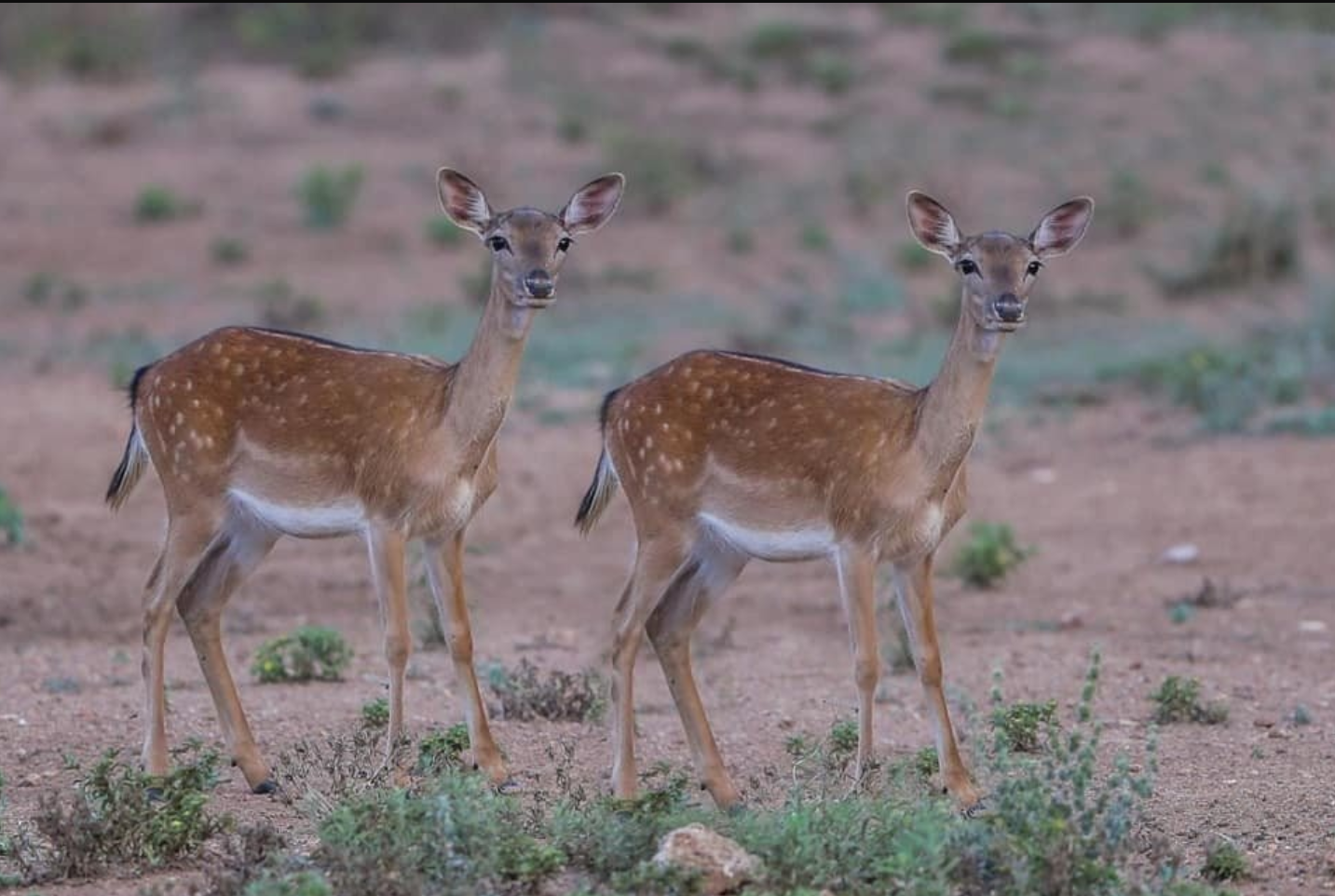
Known in Turkish as “Alageyik,” the fallow deer is experiencing a resurgence in population in Turkey, thanks to dedicated conservation efforts. Over the past fifty years, the number of these native deer in southern Turkey’s Antalya province has increased from just seven to approximately 500. The Alageyik has also played a significant role in a well-known Anatolian myth. Conservation initiatives began 54 years ago, as the species had suffered due to excessive hunting of wild animal s. Hunting fallow deer is now punishable by a fine.
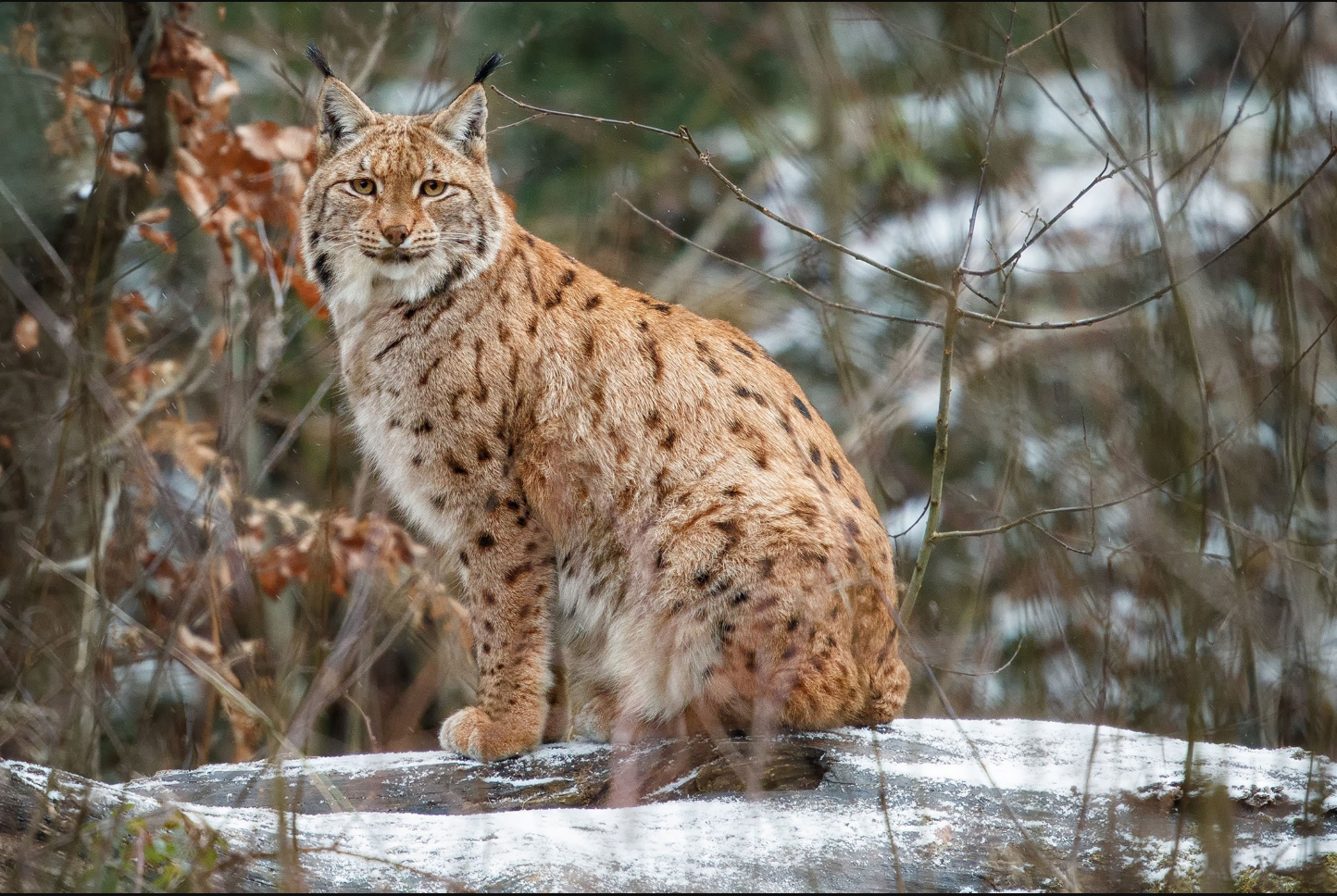
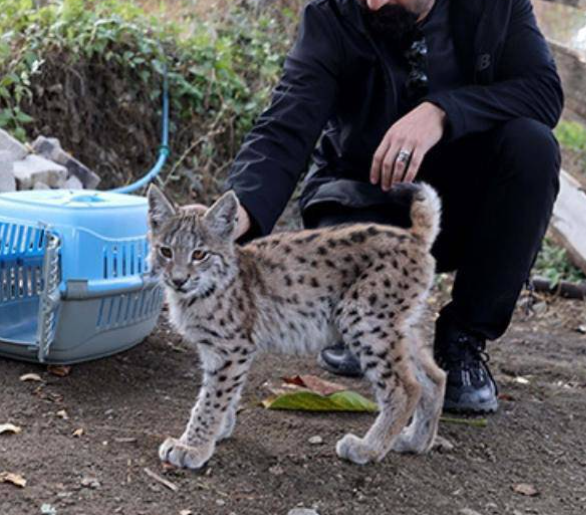
Eurasian lynx
The Eurasian lynx can be found in the Kaçkar Mountains, in the northeastern province of Artvin, the eastern province of Kars and the Çığlıkara Nature Reserve located in the Taurus Mountains. One of 4 different species of the medium size genus. In eastern Turkey there has been detected a new breeding group of Caucasian Lynx.
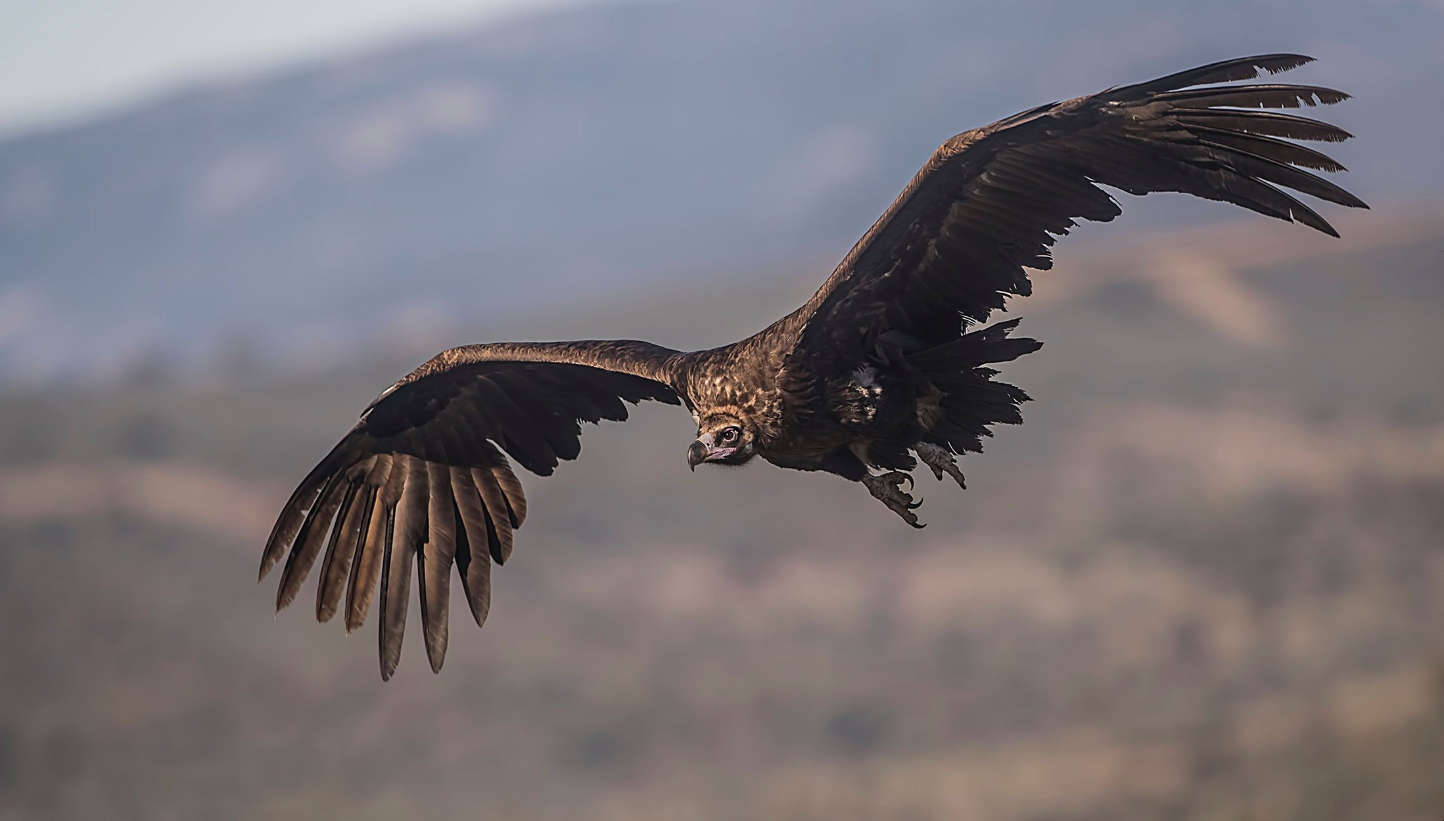
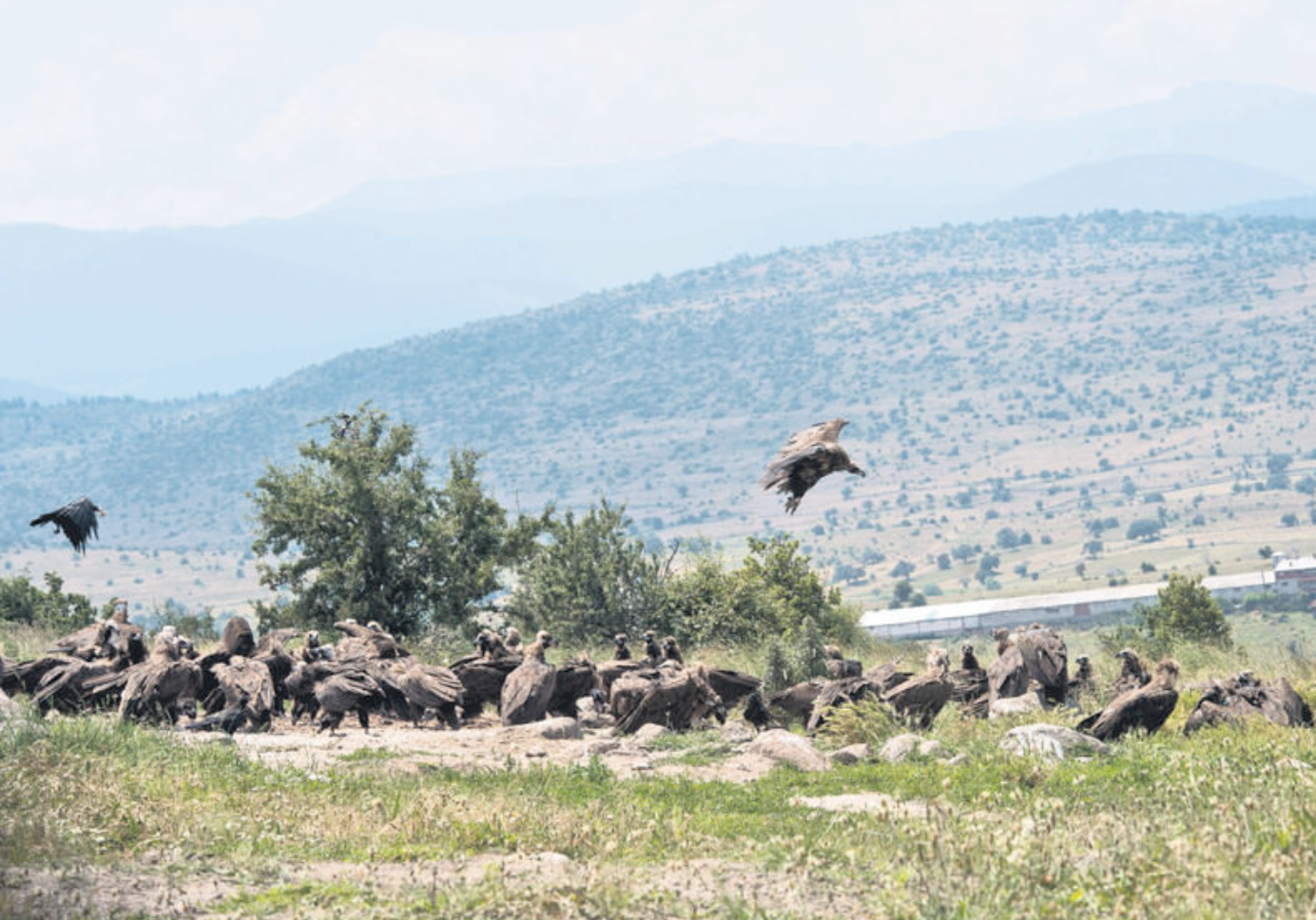
Black Vultures
The black vulture is one of the largest scavenger birds in Turkey. These birds can currently be found in two sanctuaries: Soğuksu National Park in Kızılcahamam and Mount Türkmen in Eskişehir. In the Dörtdivan district of Bolu province, there is a feeding station called Akbaba Lokantası (Vulture Restaurant), where four different endangered species of vultures, including black vultures, are fed. “It is forbidden to leave carrion in nature due to EU legislation. As a result, these birds have started to starve because they can no longer find carrion as readily as before.” Another reason for the decline in their population is the loss of natural habitat. These birds can only build nests in old pine trees with flat tops. With Mass deforrestation their habitat is under threat.
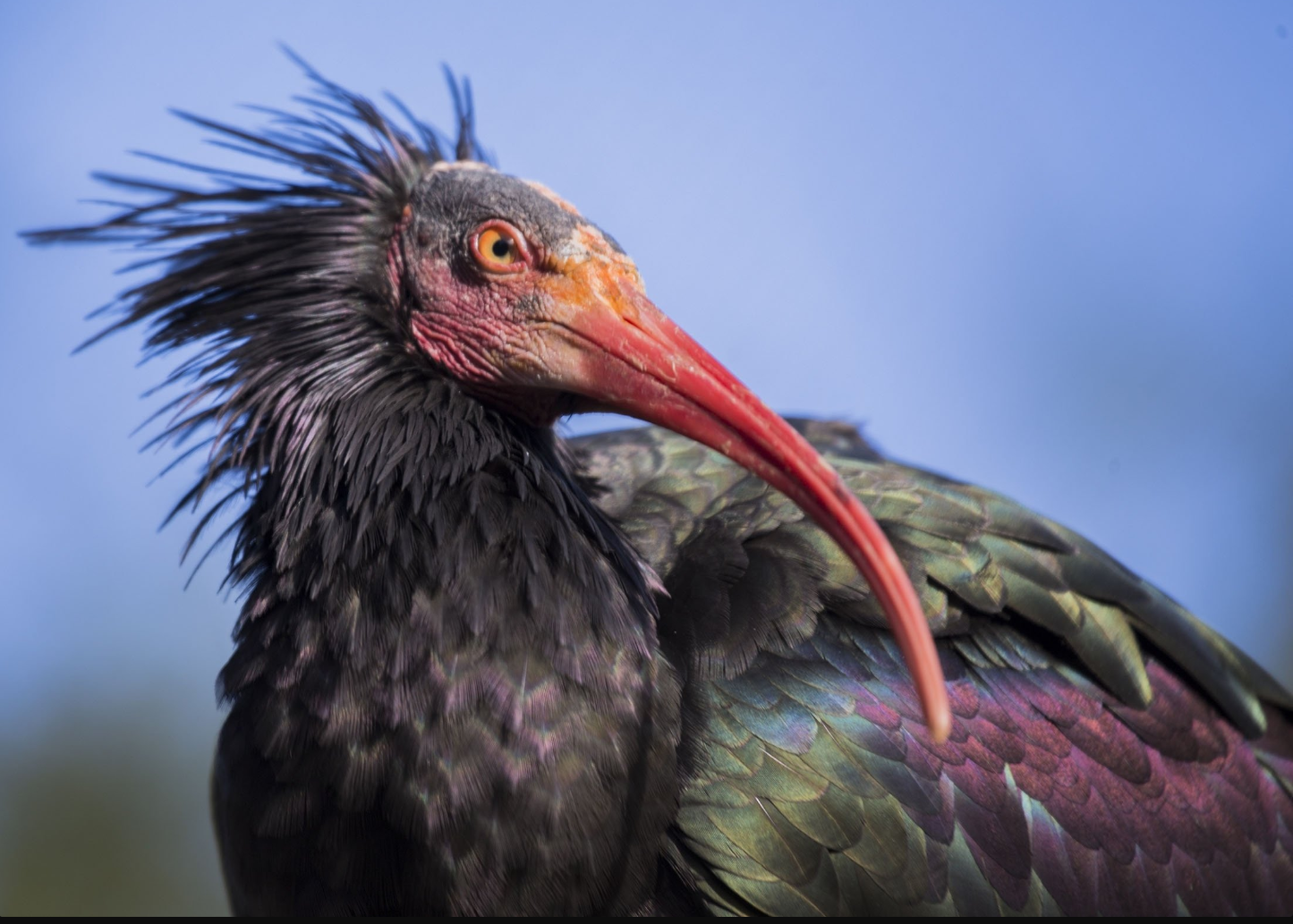
Northern Bald Ibis
Known as “kelaynak” in Turkish, the northern bald ibis is a migratory bird that is critically endangered on a global scale. In Turkey, its population has nearly increased sixfold over the past 16 years, thanks in large part to recent wild animal conservation efforts. To prevent the extinction of the northern bald ibis, a semi-wild colony was established in the Birecik district of southeastern Şanlıurfa province in collaboration with the Ministry of Environment and the Ministry of Forestry. After the breeding season, the birds are placed under protection to prevent them from migrating, which typically occurs in July or August. The successful return of two out of five northern bald ibises that were released for migration back to Birecik demonstrates that these birds can survive in the wild again. Satellite tracking devices are used by experts to identify challenges faced by this endangered species and to find effective solutions. These devices also provide insights into their habitat preferences. A visitor center has been established to allow guests to observe these rare birds and to explain the importance of the Euphrates River and Birecik for their survival. Visitors can also watch the birds online. The northern bald ibis inhabits barren, rocky, or semi-desert environments near wetlands with running water.
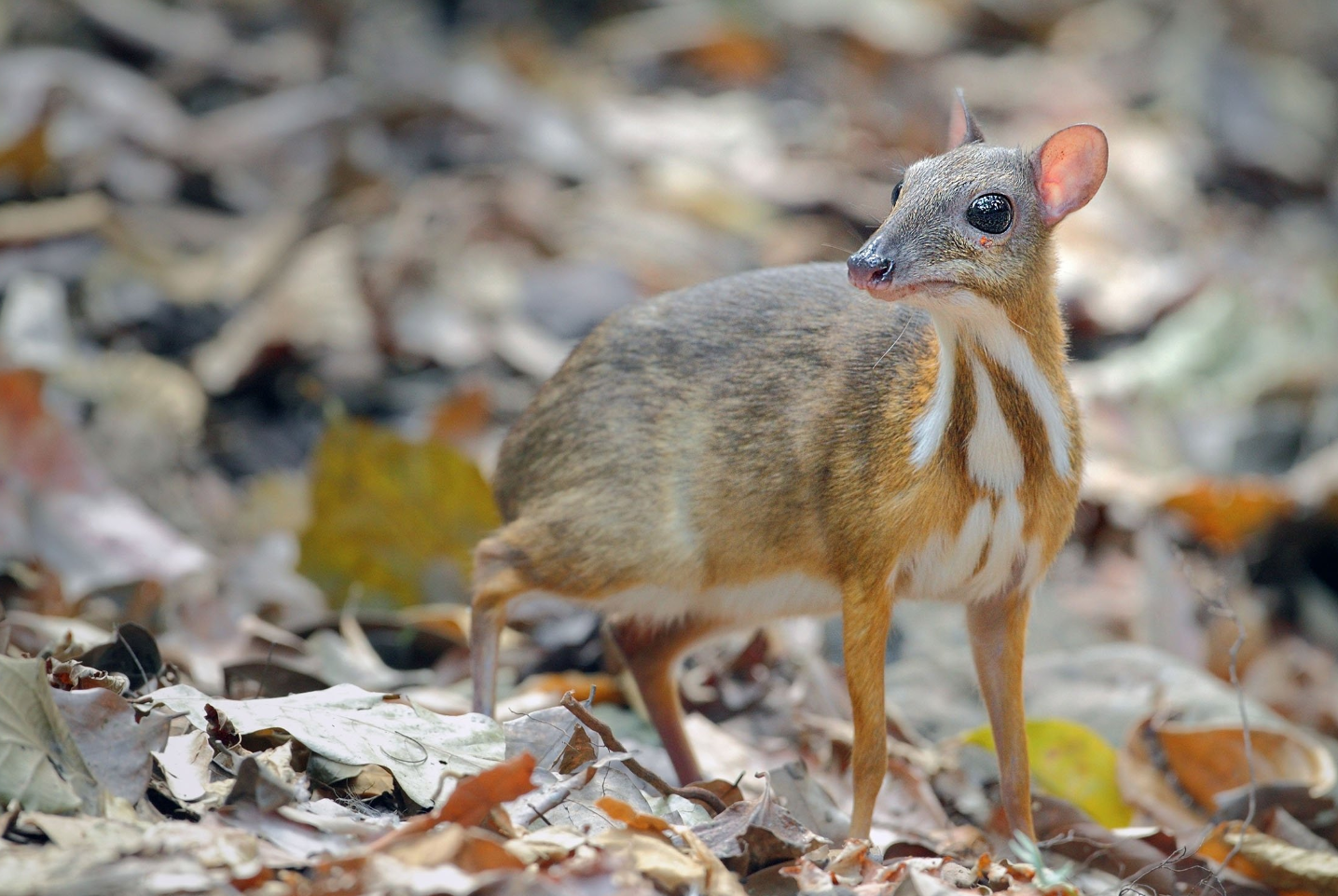
Chevrotain
Also known as a mouse deer, the chevrotain is the smallest hoofed mammal in the world. Hunting chevrotains is illegal in Turkey. Despite its name, the mouse deer is Despite its name, the mouse deer is not a member of either rodent or deer families. They are one of the smallest living hoofed mammals. They are protected and rare little is known of there locations in Turkey but they have been seen.
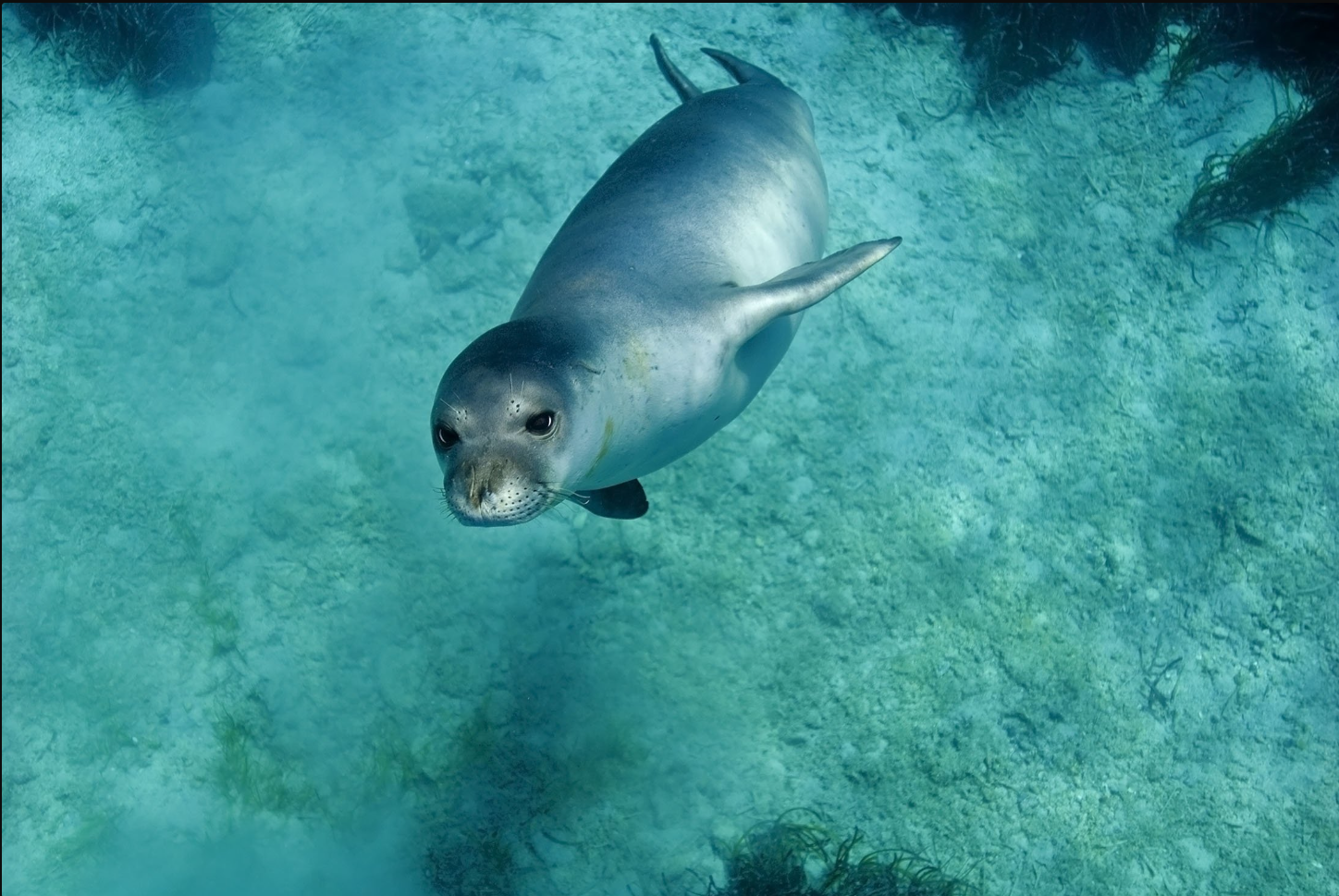
Mediterranean Monk Seal
The Mediterranean monk seal is a critically endangered marine species found along the coasts of the Aegean, Marmara, and Mediterranean seas. To protect their population, scientists have built natural platforms within the caves that monk seals inhabit in Turkey’s southern province of Muğla. Turkey is one of four countries where these seals live. Due to their trusting nature, they have historically been vulnerable to hunters and fishermen who use clubs, spears, and nets.
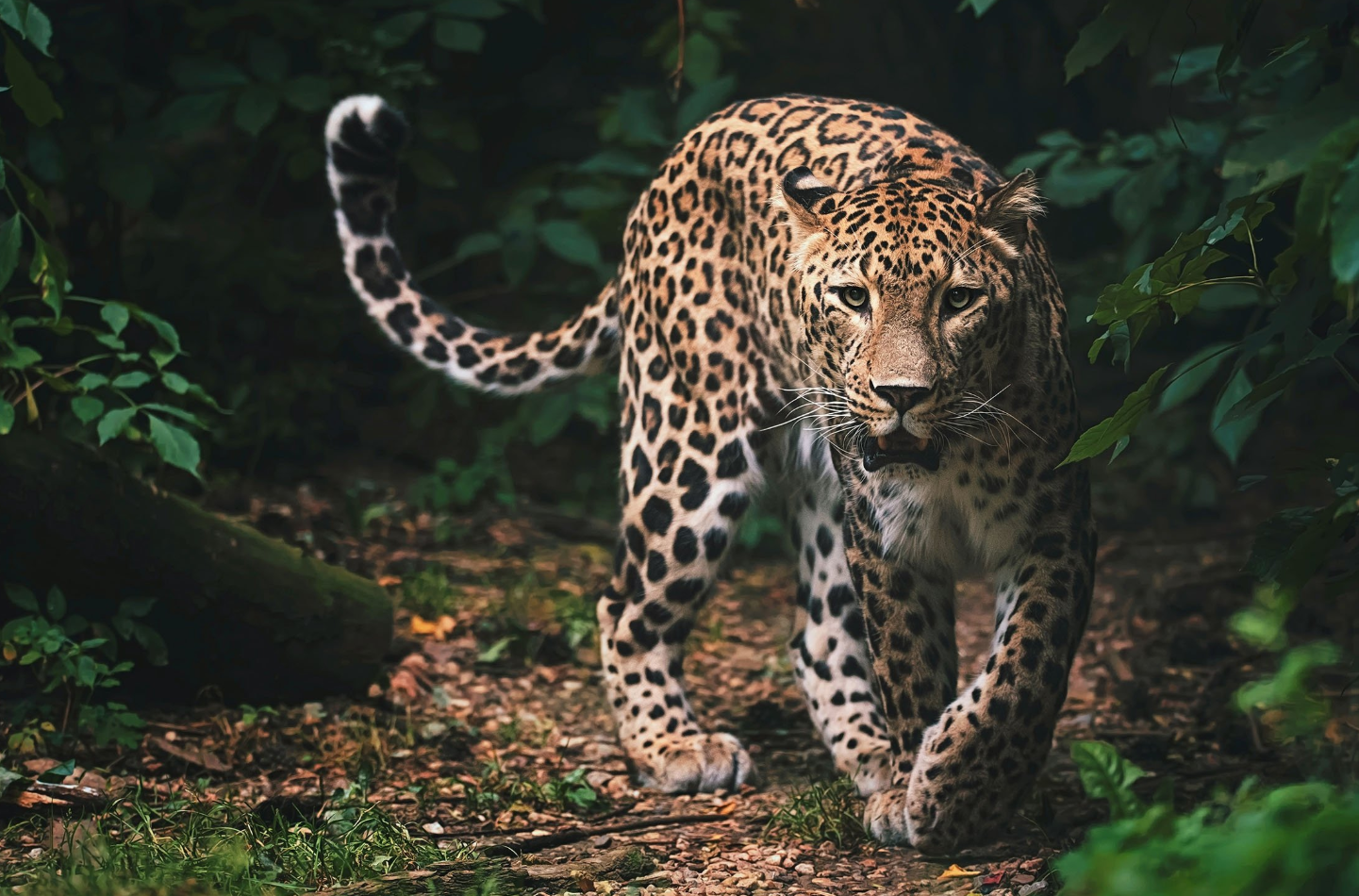
Anatolian leopard
The endangered Anatolian leopard, is a subspecies native to southeastern Turkey, it was believed to have gone extinct until 2008, when one was sighted in the eastern province of Bitlis.
Since then, several other leopards have been spotted in Turkey ay various times.
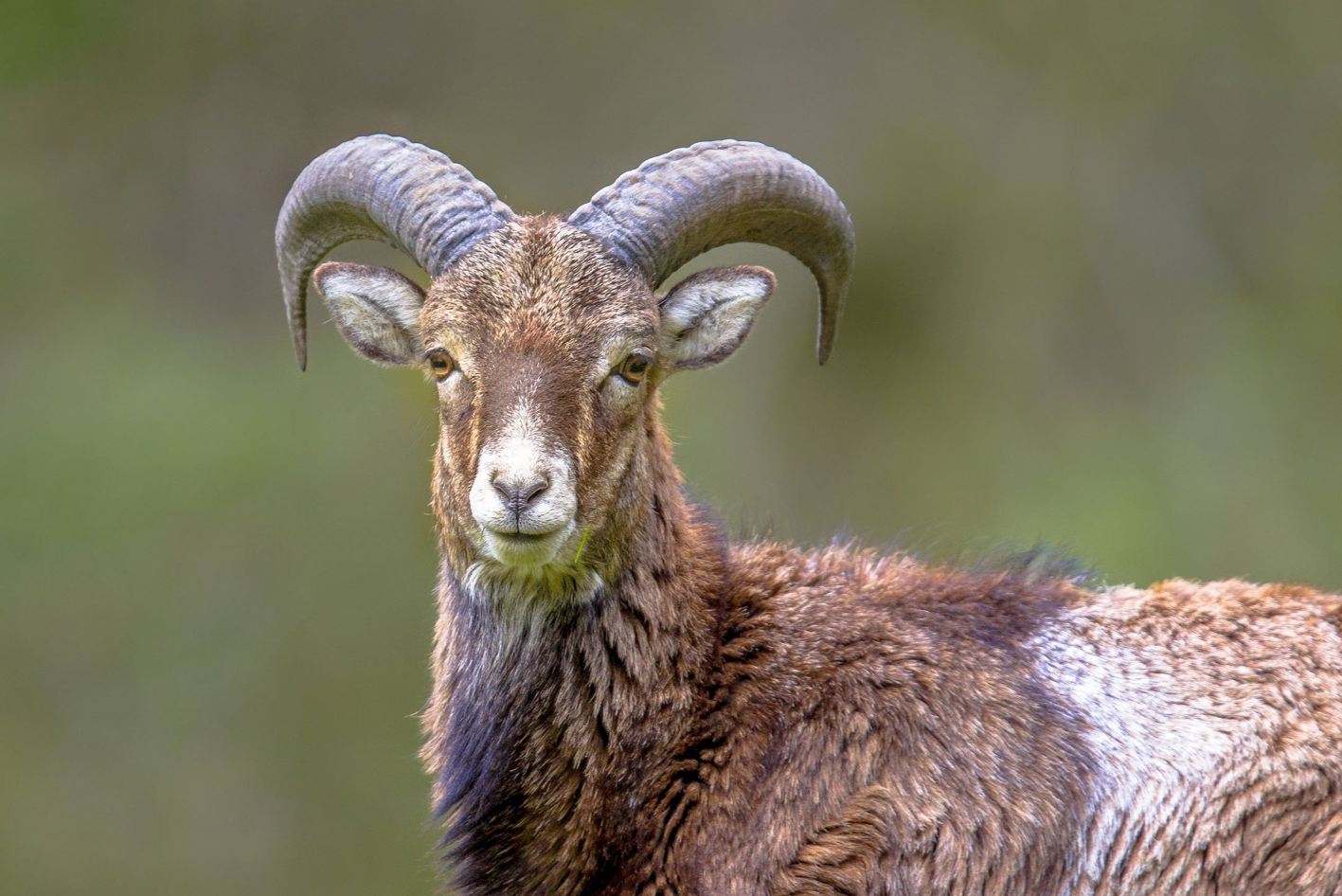
Mouflon Sheep
The mouflon is a species of wild sheep native to Anatolia. Breeding exclusively in Turkey, these sheep are referred to as “ceren” or gazelles by locals, due to their large, beautiful eyes. In Turkey, three centers have been established to protect the Anatolian wild sheep. One of these centers is located in Afyonkarahisar province, where the sheep population has increased to 60 due to recent births. Turkey is home to the only breeding ground for these sheep in the world, and they are protected by law.
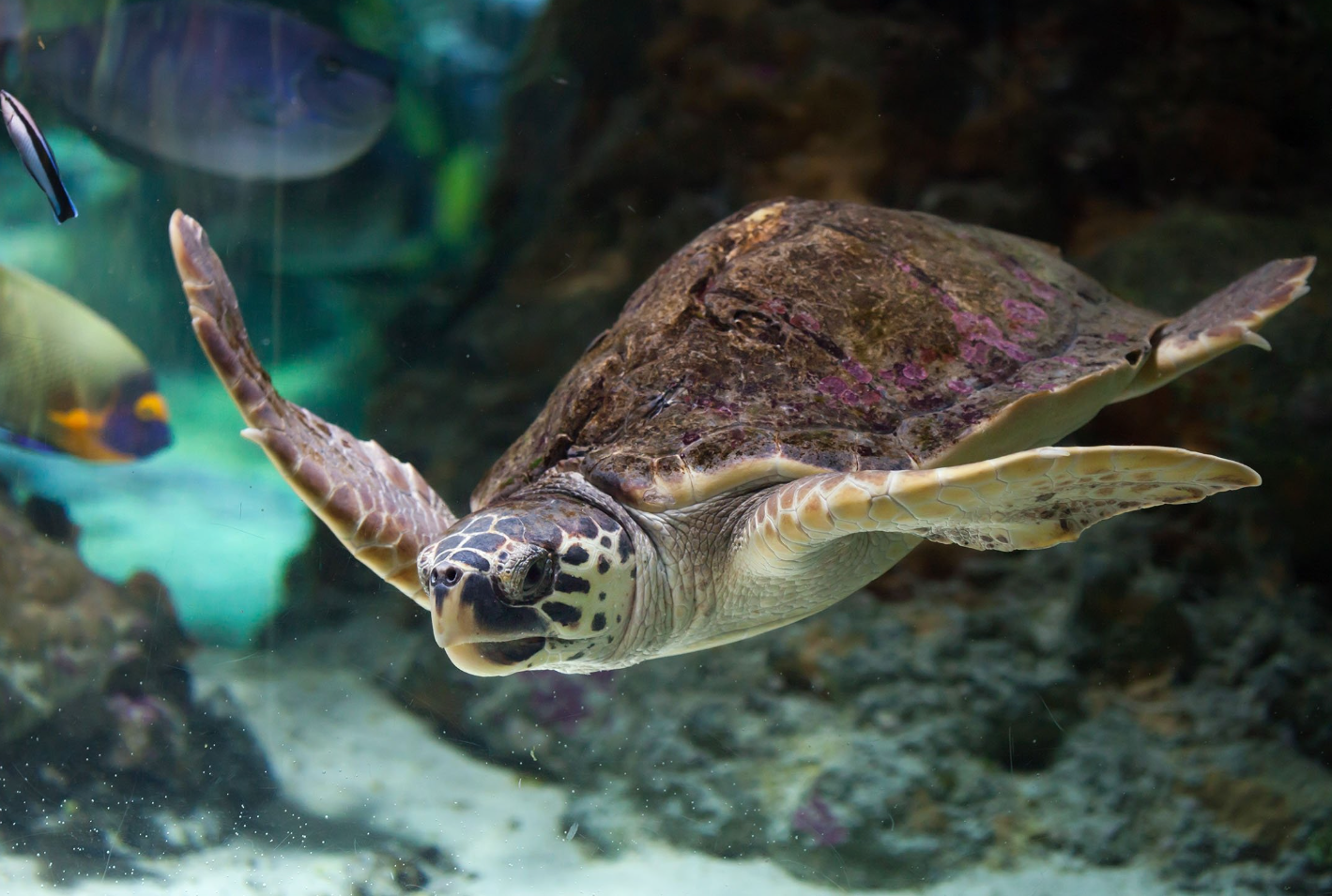
Loggerhead sea turtle (Caretta caretta)
These endangered sea turtles nest each year along Turkey’s southern Mediterranean coast. Iztuzu beach is famed for these majestic creatures, these are a common sight but delight every time.
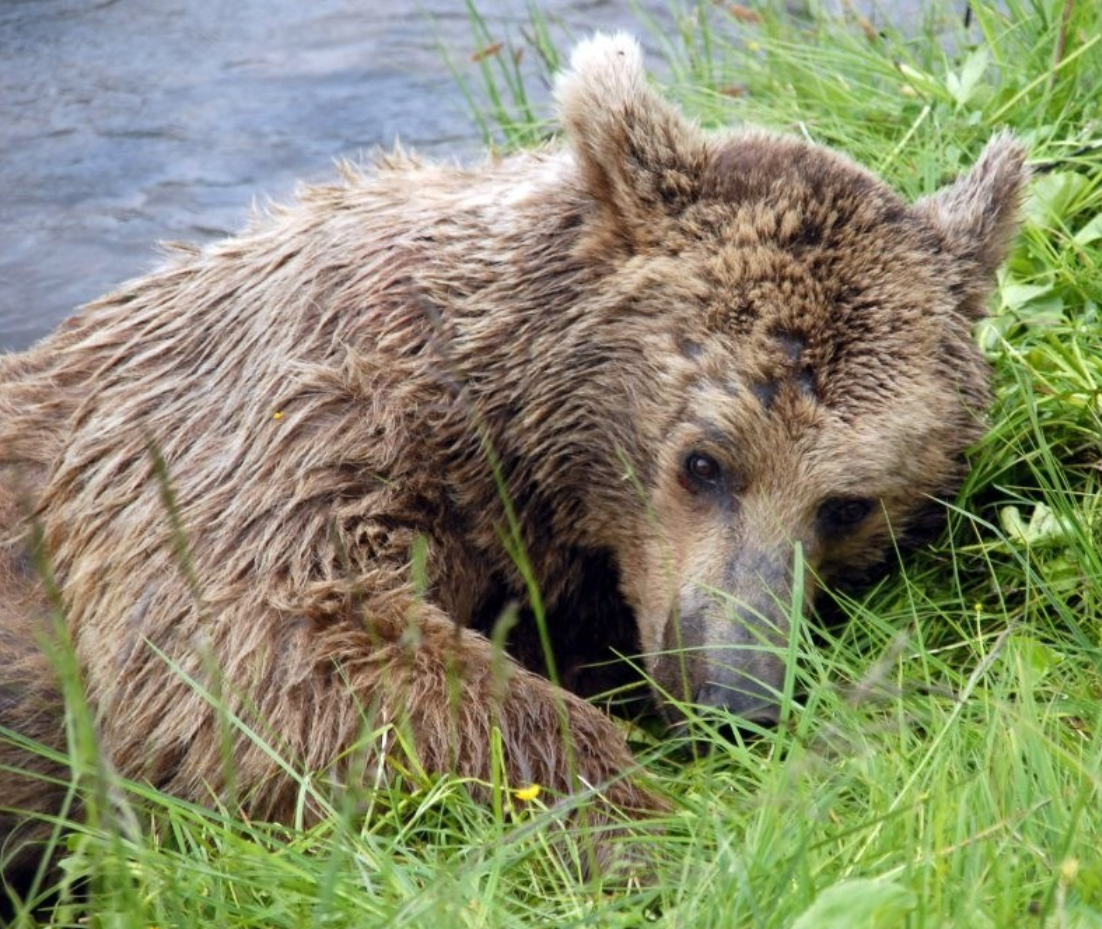
Eurasian Brown Bear
The Eurasian brown bear is the only migratory species of brown bear in the world. They can be found in sparsely populated areas throughout northern and eastern Turkey, particularly in the eastern province of Kars. Additionally, these bears have a sanctuary in Uludağ National Park, where many rescued and rehabilitated brown bears live. Out of Turkey’s 33 national parks, fifteen are home to free-roaming bears. Kars is set to develop eco-tourism through an observation project aimed at studying the living conditions of these unique migratory brown bears, which reside in the forested areas of the Sarıkamış district in Kars.
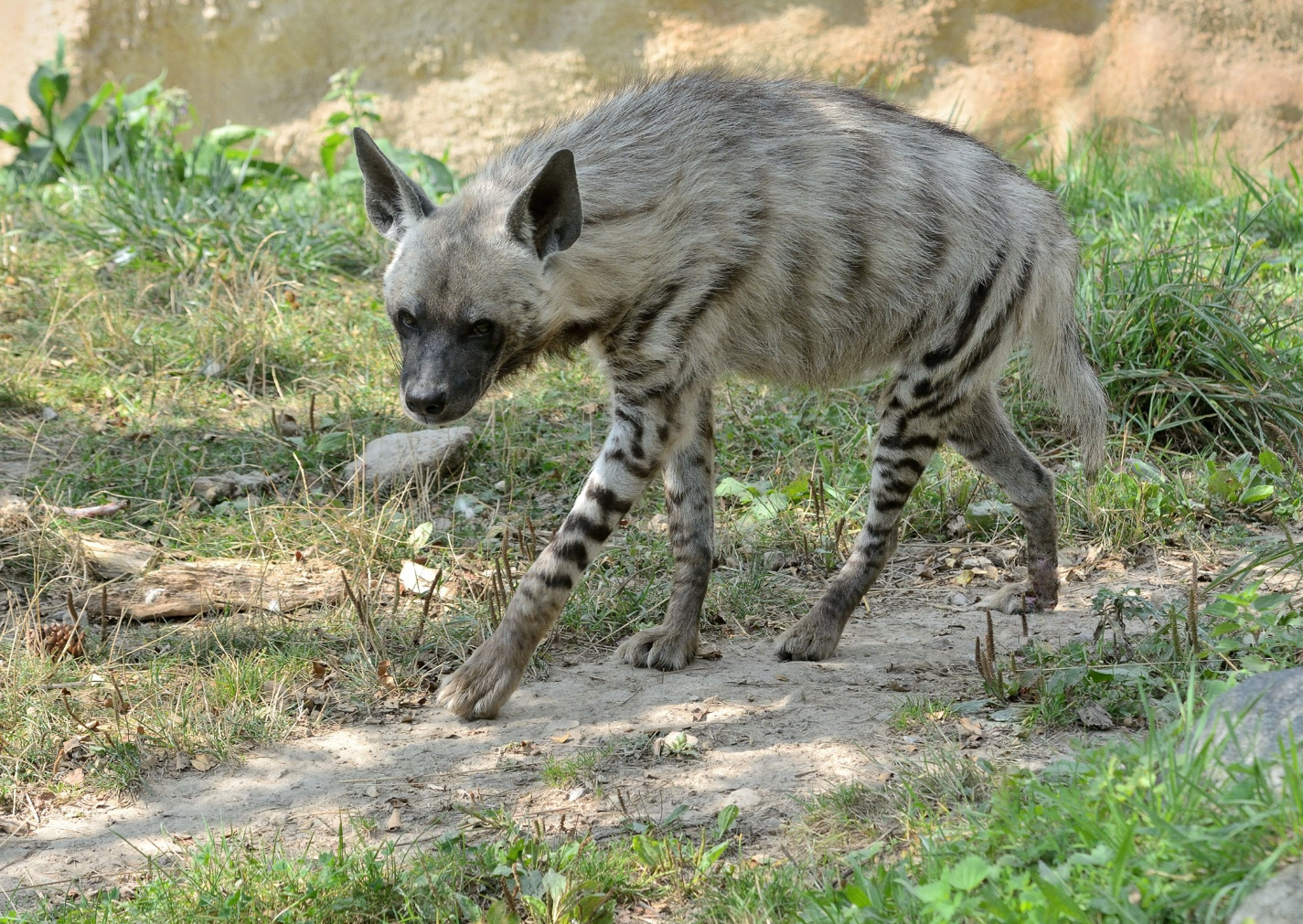
Striped hyenas
This near-threatened species can be found in the far eastern provinces of Turkey. Although very rare they have from time to time been spotted. The striped hyena is not considered very aggressive and usually avoids contact with other wildlife. Misunderstood and viewed as dangerous or destructive, it is poisoned, trapped, or shot for supposedly preying on livestock or raiding farms.
We hope this wild animal blog has been informative and if you have been lucky enough to spot any of these animals why not let us know.